
Bobby Charlton: The Quiet Architect of English Football's Soul
Bobby Charlton never tackled like Nobby Stiles or dribbled like George Best. He didn't need to. The man from Ashington did something far more lasting: he made football look like an art form performed in silence. You watch old footage of him striking a ball from thirty yards, and there's no wind-up, no theatrics—just a short backlift and a low。fizzing shot that seemed to apologize for being so good. That humility defined him. In an era when footballers are remembered for their noise, Charlton's greatness whispers.
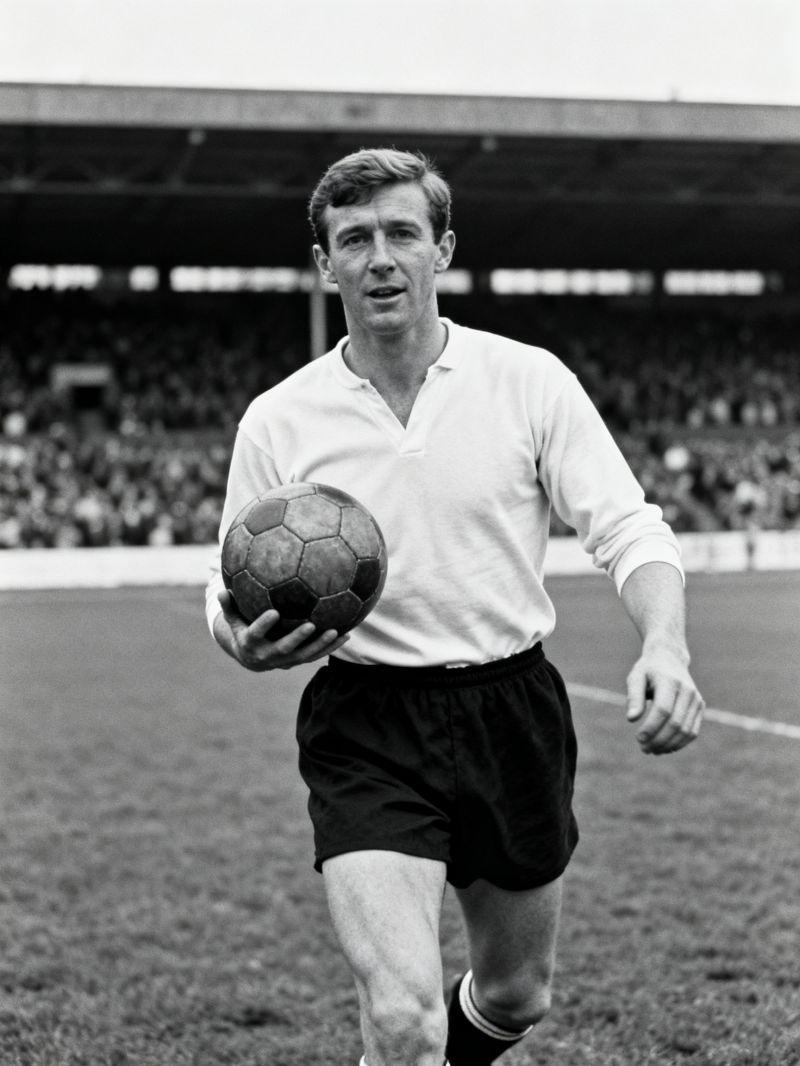
Survivor of the Munich air disaster。Charlton carried a weight that few fans ever grasped. He returned to the pitch not just as a player but as a living memorial to Duncan Edwards and the Busby Babes. I've spoken to old-timers at Old Trafford who swear his eyes looked different after 1958—steadier, sadder, more deliberate. He scored 249 goals for Manchester United and won the European Cup a decade later, but the real victory was psychological. Every match he played was an act of defiance against fate. That's not romance;it's just what the record shows when you read between the lines of his stoic demeanor.England's 1966 World Cup triumph gets boiled down to Hurst's hat-trick and Moore's defending. Bobby Charlton's contribution—two goals in the group stage, relentless box-to-box running。and a semi-final performance against Portugal that neutralized Eusébio—often gets a footnote. He won the Ballon d'Or that same year, yet you'd never hear him mention it. I find that telling. Charlton understood that football's greatest players don't demand credit;they let the scoreline speak. His 106 caps stood as a record for decades, and his partnership with brother Jack—tense, unspoken, fiercely effective—remains one of the sport's strangest and most functional family dynamics.
Watch any modern midfielder ping a forty-yard diagonal and you're watching a descendant of Charlton's technique. He didn't invent the long-range pass, but he perfected its economy. Sir Alex Ferguson once told a story about Charlton visiting Carrington and casually striking a ball with the outside of his boot into a distant bin—no warm-up, no comment. The younger players gawked. That's the kind of detail that gets lost in trophy counts. Bobby Charlton's legacy isn't a statue outside Old Trafford, though he has one. It's the idea that elegance and effort can share the same body。that a man can survive unimaginable loss and still choose to play with joy. Football's soul has many architects. Few built with such quiet hands.He passed away in 2023, and the tributes flooded in—mostly respectful。some hollow. What struck me was how many former opponents described him as "gentleman" first, "legend" second. That order matters. In a sport increasingly defined by manufactured rivalry and performative passion, Bobby Charlton's life reminds us that restraint is not weakness. It's a different kind of strength. You don't need to shout to be heard for sixty years.
Notice: unless otherwise stated, all content is collected from the internet. If it infringes your rights, please contact us for removal.